


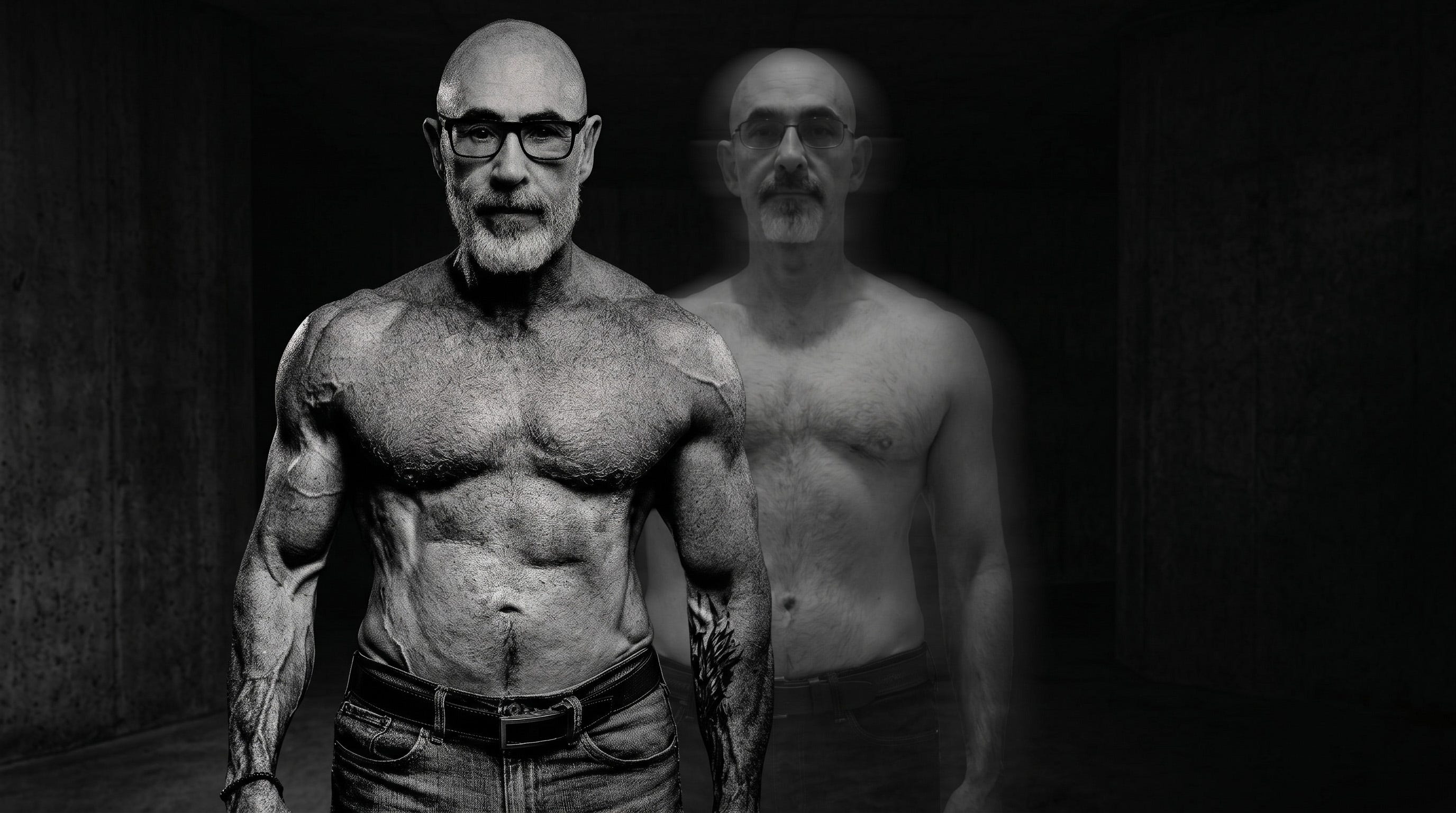
Ask me when I was in the best shape of my life and my gut says 2003. I was 41.
Nine weeks, a strict deficit, a stack of programs, karate twice a week. I went from 158 to 152 and dropped from 15 percent body fat to 9. That’s the experiment that started all of this.
My gut is wrong. The best stretch in 15 years of logging is October 2025. I was 64. My spine’s fused, my shoulder still can’t be repaired, my lungs run at about two-thirds. By every reasonable excuse, I should have been at my softest.
I wasn’t. The data from that month is the cleanest I’ve ever logged.
That bothered me enough to go figure out why.
I’ve written here before about why I keep a food log. This time I read the whole thing back at once, and it told me something I didn’t want to hear.
I went looking for willpower and found a habit
I expected my leanest periods to line up with my hardest training. Or my strictest dieting. The heroic stuff. The stuff that makes a good story at the bar.
They don’t line up with any of that.
They line up with one boring fact: how consistently I logged my food. In the stretches where I look the way I want to look, I’m tracking 95 to 98 percent of my days. In the soft stretches, that number falls to somewhere between 50 and 70 percent. That’s the whole correlation. The logging, not the program and not the intensity.
And the soft stretches don’t line up with laziness, which is what I’d always assumed about myself. They line up with surgeries. With the Vespa wreck in January 2022. The drift tracked my attention getting yanked somewhere else, and the log went dark the second it did.
October 2025 was clean because by then I’d learned to keep logging through the noise instead of waiting for the noise to stop.
The log remembers better than I do
This is the part I didn’t want to write.
The record didn’t just surprise me. It caught me. There are stretches I remembered as disciplined that the record labels more honestly: “stopped paying attention.” There’s a period I’d have sworn I trained hard through, and the log says I drifted for weeks and told myself a kinder version later. My memory had been editing the tape to make me look better.
The food log doesn’t lie.
Even my drinking showed up that way, and I’ve written about that one before, so I’ll keep it short. Over 15 years, alcohol was under 8 percent of my calories in the lean stretches and crept up near 18 percent in the soft ones. The drinks I’d waved off as nothing were a budget line item the whole time. The log knew before I did.
Here’s why any of this matters to you, sitting there wondering why you’ve gotten soft when you feel like you’ve been trying.
Your memory is lying to you
You probably have been trying, in your memory. Your memory is the worst possible witness to your own effort, because it grades on intention and rounds up. It remembers the good week and drops the three behind it. Mine did the same thing for years, and I’m a guy who logs.
You don’t need a new program to fix that. You need 30 days of honest entries and the nerve to read them back without flinching. The number that’s keeping you soft is in there, and it’s almost never the one you’d guess.
So I built the timeline
That’s what my book does. It takes the three records I kept without realizing I was building a case: what I ate, what my body went through, and what my life was doing. It lays them on the same timeline so you can see the correlations for yourself. Where the data and my memory disagreed, I let the data win and I left the gap showing. An honest gap beats a smoothed-over one.
The Last 10 Pounds is out June 30th. Free first chapter at Last10Pounds.com.
I publish an essay here every Sunday morning. Subscribe and you’ll have the next one before you think to look for it.
For this week, carry this. Trust the log over your memory. The story you tell about your effort is generous. The record isn’t, and the record is the one that’s right.
Go read yours.
Vic built and sold ScreenRant.com and GameRant.com, then rebuilt himself in his sixties.
He writes at TheRedeemedSecondHalf.com for men rebuilding the second half of life.