


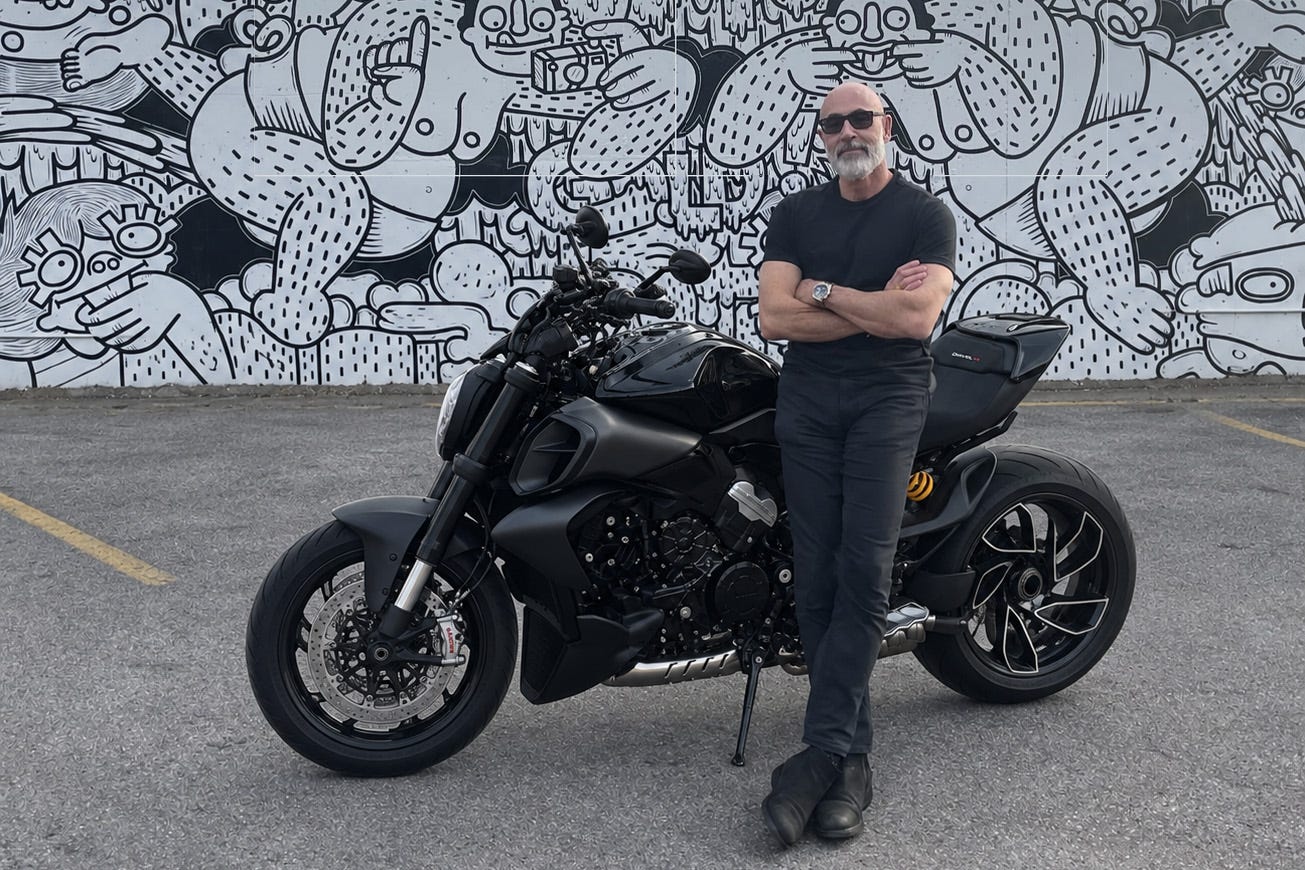
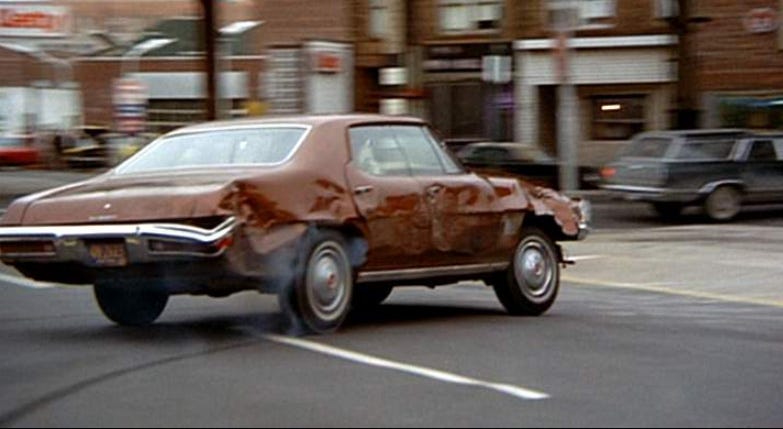
At 65, I ride a Ducati Diavel V4, and there’s nothing about the life I’ve rebuilt that I’d trade back. This week I watched the movie The French Connection again and spent its famous chase staring at the 1971 Pontiac LeMans.
My father drove a green ’72 (if I remember correctly) LeMans with a tan vinyl roof and the automatic shifter on the floor instead of hanging off the steering wheel. I was around 12, and I remember praying that he wouldn’t wreck it and it could be my “high school car.”
He wrecked it.
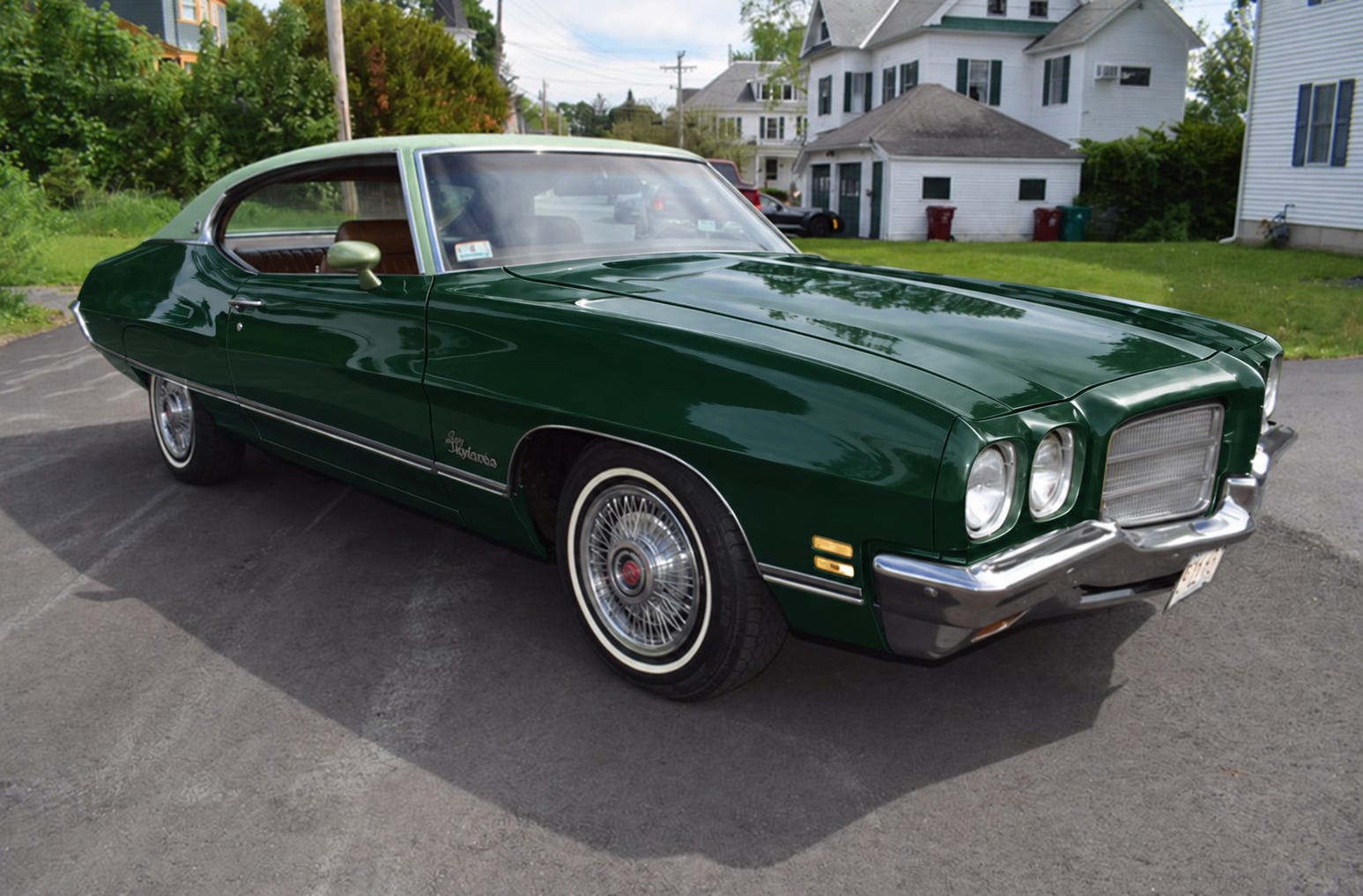
More than 50 years later, I watched that chase scene feeling like something had been taken from me.
Popeye stood on the corner
Director William Friedkin, better known for The Exorcist, shot the chase scene on Brooklyn streets under the elevated train. Most of it was planned and rehearsed. Stunt driver Bill Hickman made a 26-block run at 70 to 90 miles an hour through traffic, with Friedkin inside the car.
The chase feels real because part of it was dangerously real. At least one of the collisions was unplanned.
The rest of the movie runs on effort and is a time capsule of what life was like back then. NY City police detective “Popeye” Doyle (Gene Hackman) stands outside in the cold with a slice of pizza and a cup of coffee while the man he’s tailing eats dinner in a warm restaurant. To find someone, you walked around until you found them. To reach someone, you found a phone booth and hoped they were home to pick up.
Life looked more real then. You had to work harder for answers and getting in touch with someone took some effort. Now every answer sits in our pockets, and we spend half our waking hours looking at screens.
I don’t trust that feeling by itself.
“Do not say, ‘Why were the old days better than these?’ For it is not wise to ask such questions.”
Ecclesiastes 7:10, NIV
Old cars were death traps that got 12 miles to the gallon (at 36 cents a gallon it wasn’t that big a deal). New cars beat the old ones on almost every metric.
But we’ve lost something.
Shades of gray
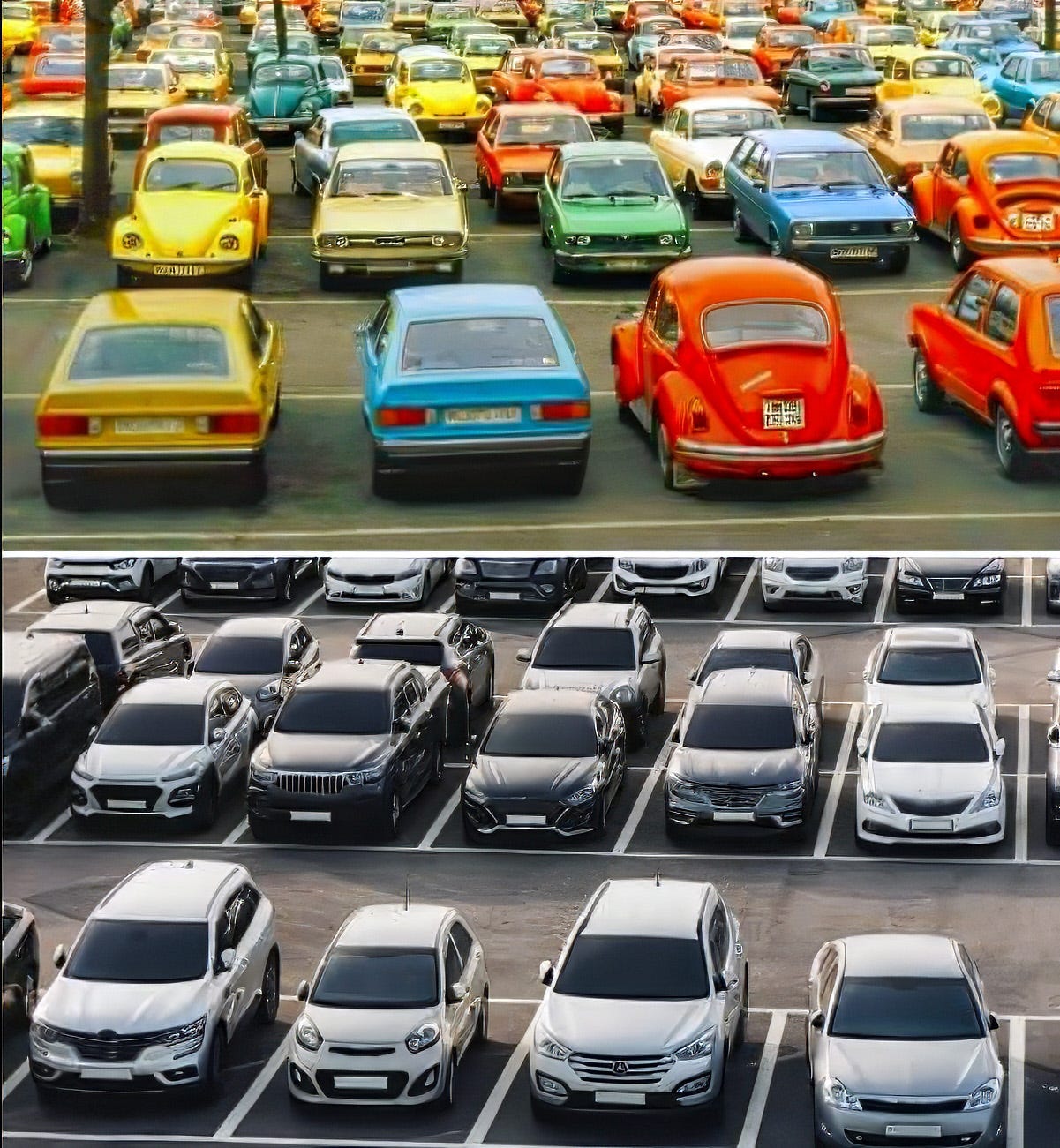
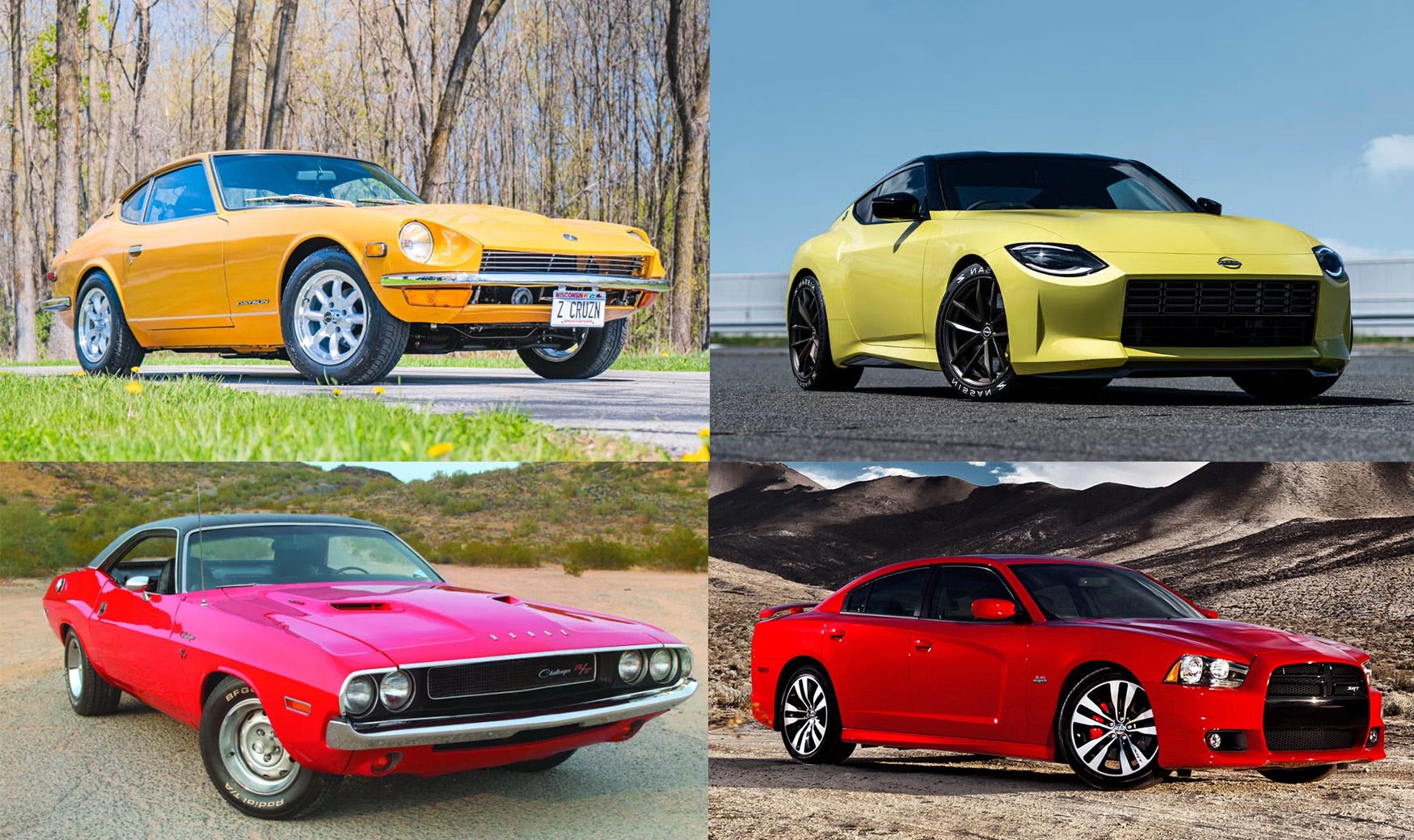
Crash rules raised hoods and rounded off the sharp edges. Wind tunnels and EV range sloped windshields back. Bodywork is now more about airflow than it is about style. Where once the difference between models was unmistakable, now everything looks similar. And don’t get me started on car colors, where now everything is muted and shades of gray.
The current Nissan Z kept the 240Z’s silhouette, but it’s so… smooth. No details to catch the eye.
Dodge did a decent job with the Challenger, then discontinued it.
And the Charger that came back in 2006 was a four door “sport” sedan. (To Dodge’s credit, the latest model does harken back to the original.)
The ones that kept their face
Porsche took a different approach, God bless them. The 911 has had the same basic shape since it went on sale in 1964. In 1997 Porsche replaced the iconic air-cooled engine with a water-cooled version. The company changed the machinery, but protected the silhouette.
Porsche did stumble a bit with the headlights. The 996 was mocked as having “fried egg” headlights, and that was corrected in the next iteration.
Another one that respects its roots is the Mercedes G-Wagon. It’s been a box since 1979. Mercedes gave it a big redesign in 2018, but kept the exposed spare tire, old door handles, and turn signals on top of the fenders. It’s a design you can identify from across a parking lot.
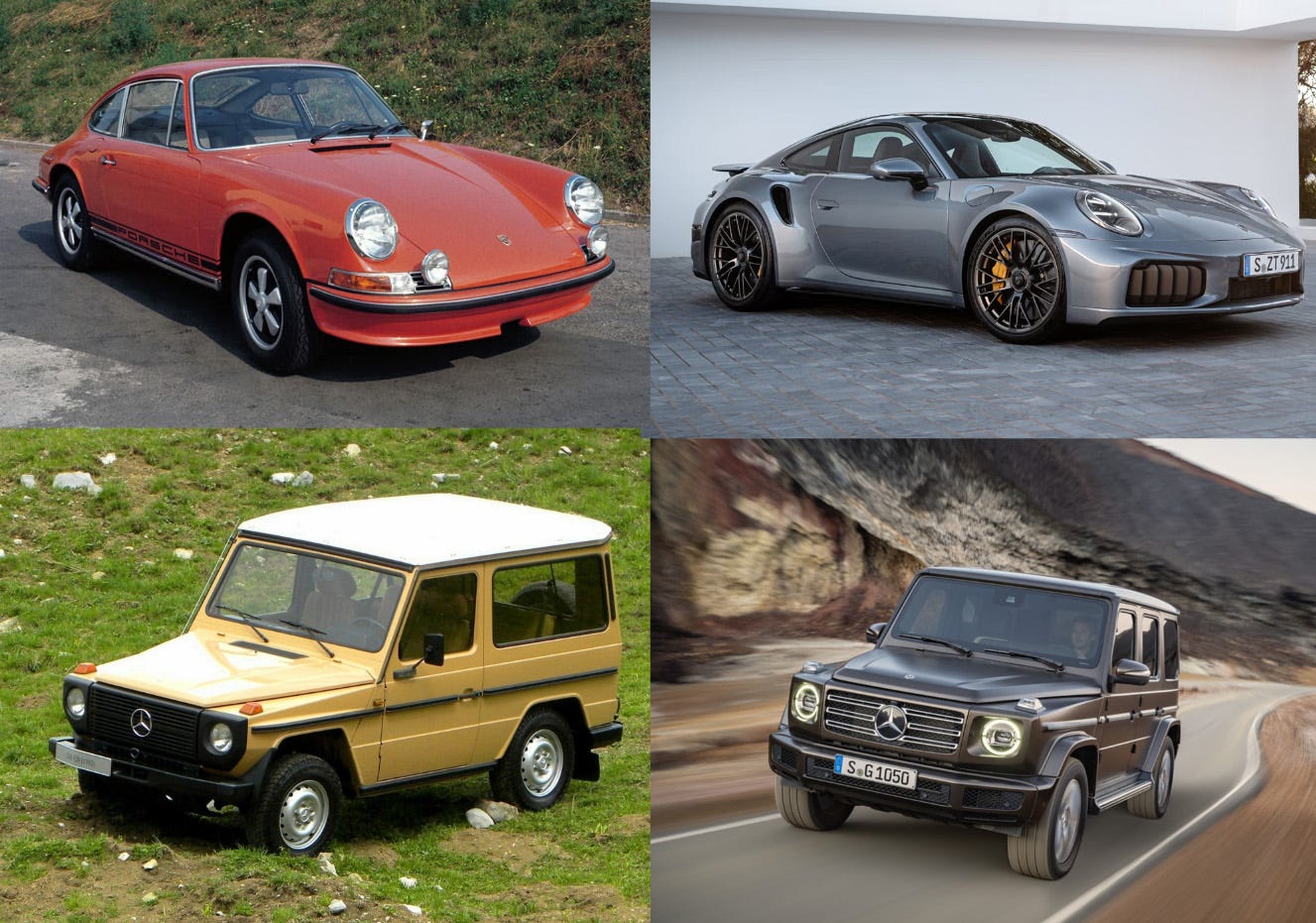
Both of those cars changed what needed to change while protecting what made them recognizable.
You face the same choice when you rebuild.
Where I got it wrong
For a while after my divorce, I drank on nine days out of ten.
It was a great numbing medicine for me, rationalized under the category of “I’m learning to be an amateur mixologist.” But that level of drinking didn’t deserve a place in whatever I was going to build next.
I also know what happens when practicality starts making every decision.
When I moved to Puerto Rico, I sold my Corvette rather than pay the import tax and drive it on pothole-filled streets in San Juan. I bought a grey Volvo SUV because I thought it made sense there. Those reasons were legitimate, and that sensible, anonymous car matched who I was at the time. I wrote about that Volvo here.
I’d made that kind of choice since I was a kid. I grew up lower middle class. Dad worked construction, mom worked in a leather jacket factory sweatshop. We never lacked for the basics, but I was very dialed in to being frugal.
When I was a kid my mouth would hang open when a C3 Corvette, a black Firebird Trans Am with the gold “screaming chicken” on the hood, or a Triumph TR7 drove by.


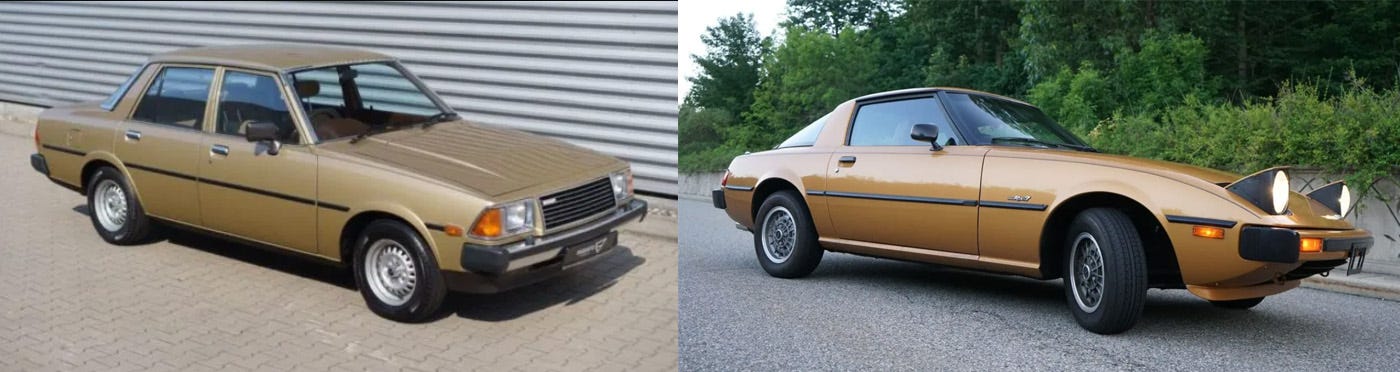
But the first car I bought with my own money was a gold Mazda 626 coupe. For about $1,000 more (1979 dollars) I could have bought an RX-7. I talked myself out of it because transportation was transportation.
Man, how I wish I hadn’t done that.
The other side of me ran deeper than cars. I was raised in Elizabeth, NJ, in a Portuguese-speaking house, and learned English from watching TV. As a teen, I made a Super 8 movie with a friend, complete with a backlit demon mask and smoke effects we shot in an abandoned train station near his house.
That kid continued his love of movies, and eventually built Screen Rant around them. The same guy who watched The French Connection this week and paid more attention to the Pontiac than the plot.
That part of me belonged in the rebuild.
The parts worth keeping
When your life comes apart, the parts that need immediate repair can be obvious. Your health and your bank account might need work. A habit you’ve been leaning on and defending may need to end.
Those repairs still leave another decision.
Make two lists: what has to change and what is worth keeping.
My drinking and a generic car belonged to the first list. Movies, motorcycles, and writing belonged to the second.
Your second list might include an old friend you stopped calling. It might also be the work or a hobby you abandoned because it looked impractical.
The warning in Ecclesiastes helps me keep nostalgia from doing the thinking for me. The parts worth carrying forward are the ones that still make you recognizable to the people who love you.
Rebuild everything underneath, and make sure the man who pulls out of the garage still looks like you.
Vic built and sold ScreenRant.com and GameRant.com, then rebuilt himself in his sixties.
He writes at TheRedeemedSecondHalf.com for men rebuilding the second half of life.